In my ten years of studying nutrition, I went through a phase of testing diets. I no longer test diets as the health implications became an issue for me (yo-yo weight gain/loss was a primary concern), however it’s interesting to notice that new fad diets today are so similar to those 10 years ago - of course, with some tweaks - how else would the diet pros continue to sell thousands of books each year?
The most popular diet I hear about these days is the Paleo (Paleolithic) diet, specifically amongst athletes and fellow squash players whom one of the Paleo diet books is geared towards (The Paleo Diet for Athletes, by Dr Loren Cordain and Joe Friel). All this talk of returning to our ancestor’s way of eating, what ‘we were designed to eat’, is a fascinating topic and certainly one to consider. However before you grab your bow and arrow and set outside to stalk your dinner, let’s dive a bit deeper.
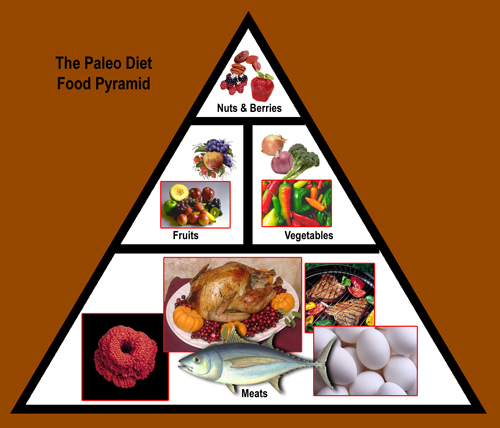
The ‘Paleo Diet’ we know today is not the first of its kind - there have been many other diets and research based on our ancestor’s ‘primal’ consumption of food - notably beginning in the 70s - however the ‘Paleo Diet’ is the first to make super-fad diet status. The diet has a simple concept that theoretically makes terrific sense: in order to achieve optimum health, we should eat as our ancestors, cavemen, ate during the Stone Age (aka Paleolithic). This means that anything that was hunted or gathered some 70,000+ years ago is good to go, including: meat, fish, poultry, veggies, nuts, fruits, seeds and coconut. Unfortunately there is not a great deal of evidence supporting exactly what they ate, so I’m guessing there is a fair amount of guesswork involved to come up with the diet’s guidelines. The theory is that our ancestors were supremely healthy beings: there was no heart disease, cancer, and so on. Sure, they supposedly didn’t live well into their 30s, however this was supposedly due to their harsh environments as opposed to health-related issues.
The diet shuns all foods that came about from the Agricultural Revolutiion, stating that we are not genetically predisposed to benefit from a diet containing grains, beans, potatoes or dairy. These items are put into the same abstinence basket as sugar, salt and all packaged or processed foods. Items such as bacon and coconut oil, for example, are a little up in the air - Dr. Cordain’s initial book and research did not advocate their consumption, but he has since changed his view and included those two items in his suggested meal plans.
What are the potential benefits of following the diet? Many! A diet that eliminates refined carbohydrates, processed foods, and in turn promotes consumption of vegetables, responsibly farmed animal protein, is well worth some attention. The research and science behind some of the claims sound a bit dodgy to me, but at its core, the benefits of a more ‘natural’ diet as promoted in The Paleo Diet are without question beneficial. Supporters are avid that they have lost weight, increased their energy levels, and generally feel better from adhering to the diet.
Unfortunately I see more Con’s than Pro’s. An umbrella issue is that I find much of the research to be dubious, but this really has little to do with an actual Con - it’s more personal preference. I’m also not convinced that we as humans are genetically pre-disposed to thrive on caveman diets - it’s simply what was available at the time. Sure, packaged, processed and refined foods do nothing but harm to our bodies and health, but all grains and beans? While cutting back on grains and beans has its proven benefits, there is just too much supporting evidence (and history) in favor of their inclusion (in moderation and prepared properly) to form a healthy diet. In addition, my 2 major issues with the concept is as follows, in order of importance:
1) High meat consumption. Let’s not even get into the fact that the domesticated meat we eat today is far different from what was eaten in our ancestor’s days, even if you eat organically. The best book I have ever read regarding research on Diet and Nutrition is The China Study, by Dr Colin T. Campbell. It’s cover explains it best: “The most comprehensive study of nutrition ever conducted. Startling implications for diet, weight loss and long-term health”. The book discusses the relationship between diet and disease, and I truly believe is an essential read if you care about living and aging well personally, but also care about the health of those you feed (children). My conclusion is that I would never advocate a diet that is so strongly based on the consumption of animal protein - not only for health, but also the major environmental implications.
2) Long-term benefits. Eliminating entire food groups thereby creating a super restricted diet does not tend to result in long-term benefits. Restricting often results in yo-yo weight gain/loss and poorer health in the long run, as it is rare to maintain such a strict diet over a long period of time. Following some aspects of the Diet are excellent - increased vegetables and responsibly sourced animal protein, decreased processed foods, paired with a diet based on moderation would equal a high probability of long term health/diet success.
I would love to hear your opinions on the Paleo Diet or any of its components, and we would all benefit from learning from each other’s experiences, so please share your thoughts below!