James Willstrop
Elite Athlete
Squash

My Story
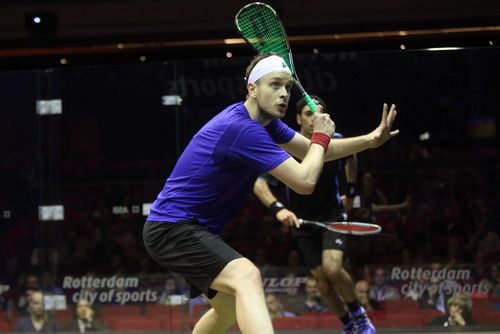
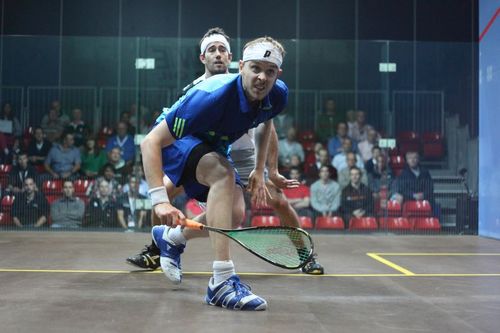
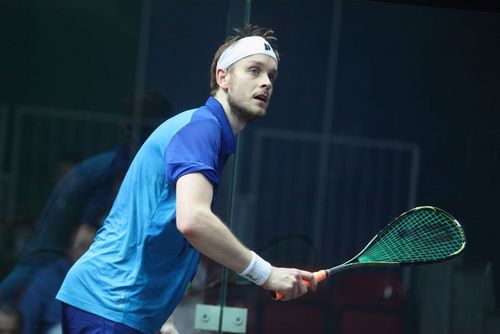
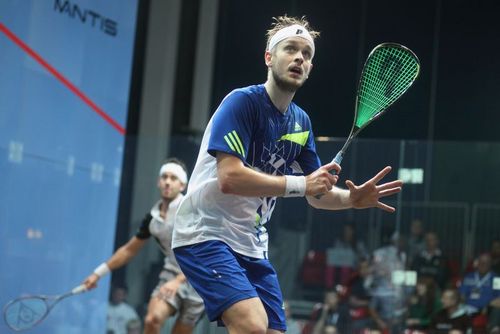
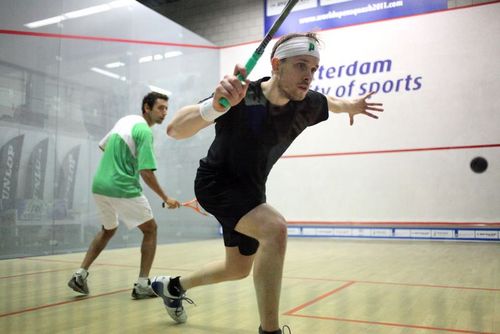
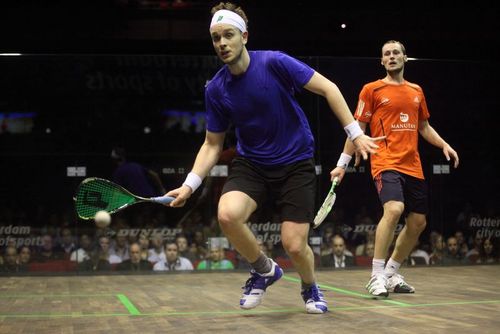
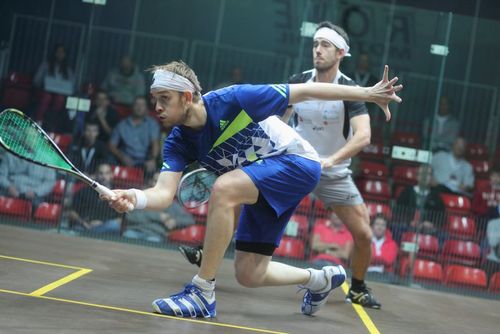
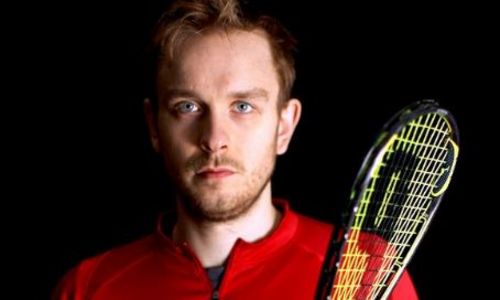
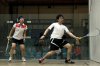
James Willstrop, England’s most successful junior player of all time, fulfilled his promise as a PSA World Tour player by attaining the coveted world number one ranking in January 2012 after a sensational three-tournament victory run at the end of 2011.
In February, the Yorkshireman briefly lost pole position to rival and fellow Englishman Nick Matthew - who topped the list throughout 2011 - but regained it the following month and held onto it throughout 2012.
It was in December 2005, just two years after becoming a 'senior', that Willstrop first leapt to No2 in the world rankings - but was unable to extend this lead.
Indeed, after a glorious run in 2008 – in which he reached five Tour finals, with success in three – Willstrop's career suffered a major setback in April 2009 when he was forced to undergo ankle surgery.
But, despite slumping to 12 in the rankings, he came back stronger than ever – battling through to September’s British Open final for the second year in a row. And, cruelly – also for the second time in a row - the tenth seed failed to convert match-balls in the fifth game before ultimately finishing as runner-up to England team-mate Matthew.
It was in October 2011 that Willstrop began his historic Tour run - in all cases seeded to progress no further than the semi-finals! First stop was a final berth in the Qatar Classic in Doha, where he was beaten by Frenchman Gregory Gaultier.
A month later he avenged this defeat in the semi-finals of the Hong Kong Open - and went on to topple second seed Karim Darwish in the final. His next title triumph came just nine days later in Kuwait, where he again punished Darwish in the Kuwait PSA Cup final.
And in Delhi a week later he faced Gaultier in the PSA Masters final - his third World Series climax in a row - knowing that victory would take him to the top of the January 2012 rankings.
It was a brutal clash, with the Frenchman taking the lead after an opening 21-19 tie-break game. Willstrop recovered the lead and at 6-1 down in the fourth, Gaultier retired injured after 99 minutes of play - to give the title and the No1 ranking to the Englishman.
"It's a very special day for me," said Willstrop at the trophy presentation. "I can't really believe I've played and won this match - and I'd like to thank Greg for the great spirit in which it was played."
Willstrop extended his winning run through into 2012 - before a defeat in the pool section of the ATCO World Series Finals brought his career-high unbeaten 17-match run to an end.
In his 'most satisfying success of the year', Willstrop regained the upper hand at the North American Open – recording a rare victory over Ramy Ashour, Matthew's conqueror in the semis, in straight games in the final to win the eighth World Series title of his career.
Unable to retain the North American title in 2013 – losing to Ashour in the semis – Willstrop recovered to defy the seedings by reaching the Kuwait PSA Cup final, again going down to the Egyptian world number one.
But just a week later, back on home soil, Willstrop notched up the 17th Tour title of his career in his 36th final – winning the PSA International 50 Canary Wharf Classic for the fourth time.
A second successive final showdown with Matthew was on the cards, but the defending champion went down to Peter Barker in the semis – and Willstrop saw off the Londoner 11-8, 5-11, 11-4, 11-4 in the climax.
Away from the Tour, Willstrop enjoyed one of the highlights of his career in June when he led England to success over favourites and defending champions Egypt in the World Team Championship final in France, after winning the decider against Karim Darwish.
“To enjoy that moment with the team ... was incredibly special,” said Willstrop later. “I have a feeling, whatever else I do in squash, it might not get much better than that.”
2012 saw Willstrop emerge as 'author' with the publication of his book Shot and a Ghost, an eye-opening diary account of a "brutal" year on the world tour. The book was widely acclaimed and, at the end of a notable Olympic year in London, was shortlisted for the ‘Sports Book of the Year’ award – both a historic first for a book on squash and a first for a self-published work!

 Close
Close